
Quiet Glow: Layered Lighting for Soft, Sophisticated Interiors
Today we explore layered lighting plans for soft, sophisticated interiors, showing how ambient, task, accent, and decorative light work together to create depth, comfort, and quiet allure. Expect practical steps, human stories, and expert insights that refine rooms into gentle sanctuaries. We will balance contrast, color temperature, and texture, then guide you through scenes and controls that adapt throughout the day. Share your questions, subscribe for updates, and join a community that values softness without sacrificing clarity or function.
Building the Gentle Hierarchy of Light
Soft sophistication begins with a hierarchy that guides the eye without shouting. Start with ambient light for overall comfort, add task light for focused clarity, then use accent and decorative sparkle to shape mood and highlight texture. Aim for subtle contrast ratios that feel easy on the eyes, avoiding glare and hotspots. When each layer is individually dimmable, you can adjust nuance instantly, making rooms feel calm at morning, inviting at dusk, and intimate by night.
Ambient Foundations
Think of ambient light as a breathable base that calms the space and supports everything else. Indirect sources like coves, hidden uplights, or shaded fixtures spread illumination across ceilings and walls, softening shadow boundaries. Warm tones around 2700 to 3000 Kelvin preserve coziness, while dim-to-warm lamps deepen evening atmosphere. Keep glare shields in mind and avoid over-bright ceilings; a comfortable envelope of light lets furnishings and materials be appreciated without harshness or visual fatigue.
Accurate Task Beams
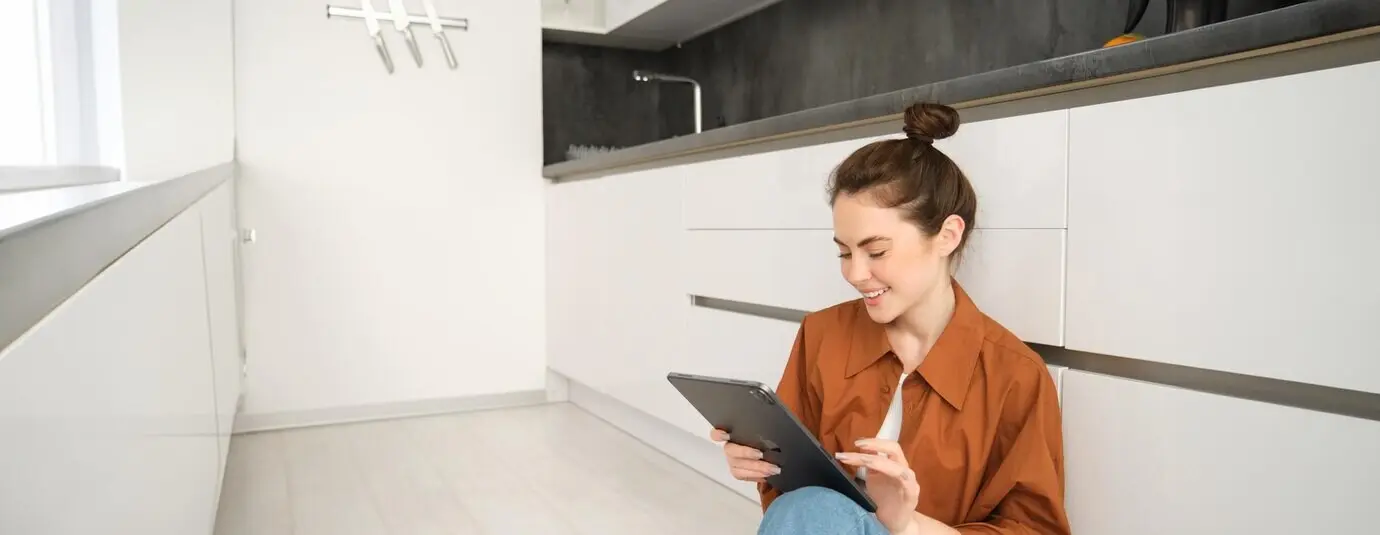
Task lighting delivers precision where you work, read, or cook, ensuring comfort through focus and control. Under-cabinet lights remove shadows on countertops, desk lamps with clean optics reduce eye strain, and bedside reading fixtures should angle away from partners. Consider beam spreads that match the surface and dimming down to at least ten percent for flexibility. Higher output does not need to feel harsh if you use quality diffusion, good shielding, and careful placement that avoids direct view of bright sources.
Color Temperature, CRI, and Emotional Warmth
Soft, sophisticated interiors rely on color that flatters skin tones, furnishings, and finishes. Choose warm to warm-neutral color temperatures for living spaces, and maintain consistency across sources to avoid visual clutter. High color rendering reveals nuanced woods, textiles, and artwork, supporting a richer, calmer experience. Look for 90+ CRI and strong red rendering for lifelike results. Changing temperatures across the day can aid circadian comfort, but gentle transitions and coordinated scenes keep emotions grounded and spaces cohesive.
Scenes, Dimmers, and Smart Control
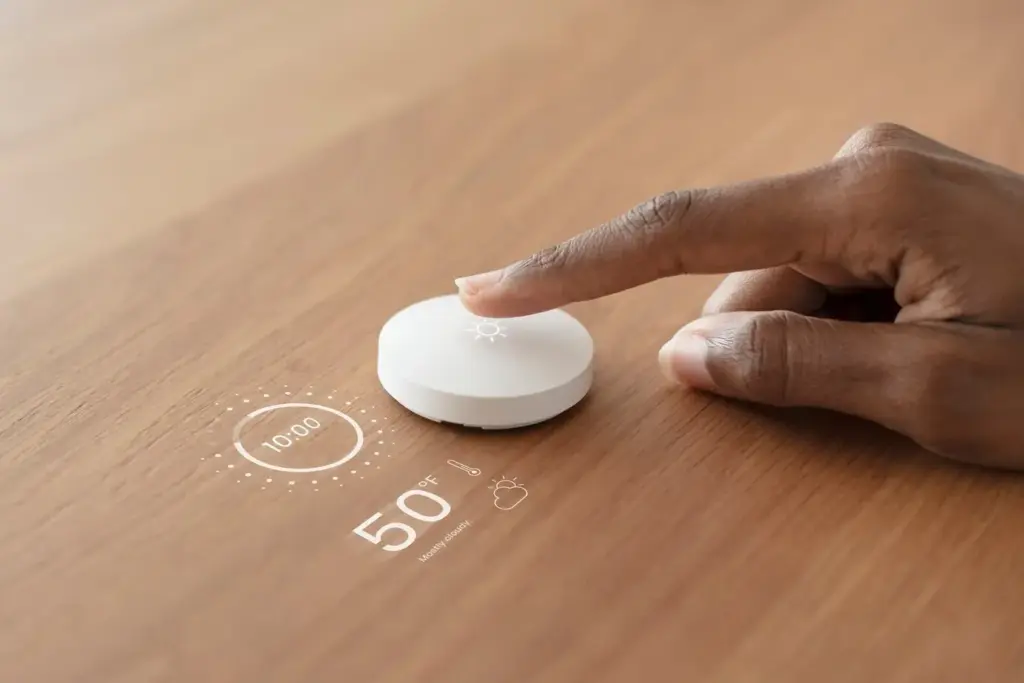
Control is the quiet magic behind softness. Separate circuits for ambient, task, and accent light let you craft scenes for morning routines, dinner gatherings, or late-night reading. Use dimmers compatible with your drivers to avoid flicker and buzzing, and consider pre-set scenes for instant comfort. Smart systems can respond to schedules, daylight, or occupancy, yet remain intuitive with tactile wall controls. The aim is graceful responsiveness, so light follows you, enhances mood, and never demands attention.
Room-by-Room Strategies That Feel Effortless
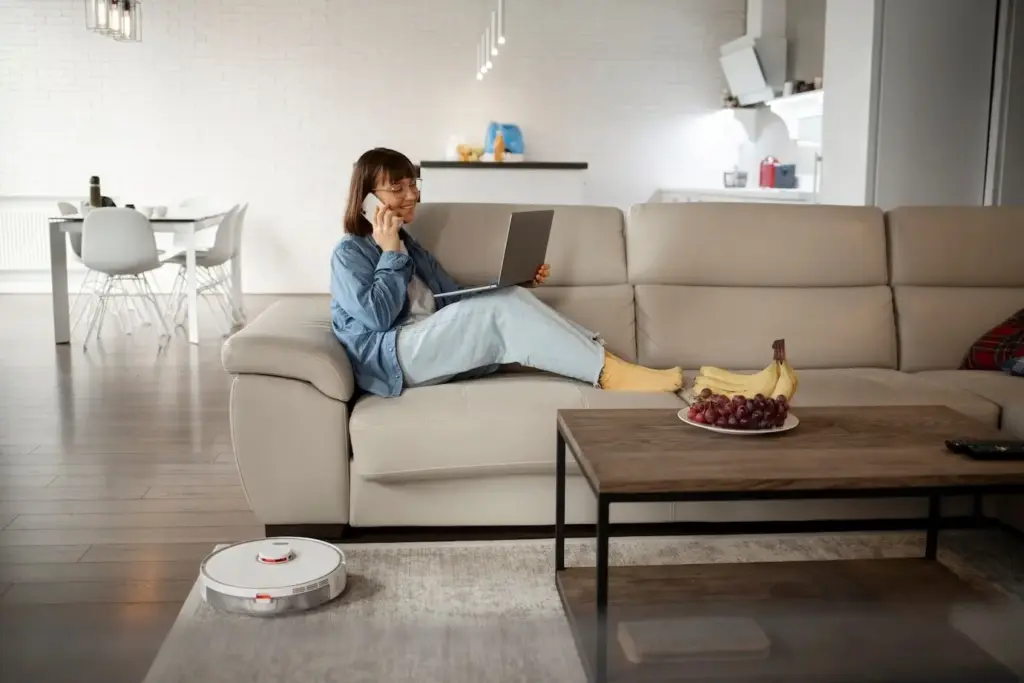
Different rooms ask for different balances. Think purpose first, then layer for mood. Give living rooms conversational glow, kitchens crisp yet inviting clarity, dining areas flattering warmth, bedrooms relaxation, and bathrooms even, shadow-free grooming. Match luminaire scale to furniture and ceiling height. Preserve negative space and avoid overly bright centers with dark corners. Use dimmable controls everywhere so one environment can host morning coffee, focused work, and evening unwinding with equal grace. Invite conversation by sharing your own wins.



Materials, Diffusion, and Soft Edges
Softness is as much about optics and surfaces as it is about brightness. Choose shades, lenses, and baffles that shield the source while letting light breathe. Matte paints reduce sparkle where you do not want it, while satin finishes can reflect softly. Fabrics, woods, and plaster react uniquely under various beams; test samples with your actual lamps. Layered diffusion and thoughtful placement make light feel like air rather than hardware, supporting elegance without sacrificing clarity, comfort, or human warmth.

Budget, Retrofit, and Sustainability Paths
You can achieve softness without rebuilding. Start by separating circuits, adding quality dimmers, and replacing mismatched lamps with consistent, high CRI options. Upgrade key fixtures that control the room’s feel, then add accents strategically. Favor efficient LEDs with long life ratings to reduce maintenance. If you move slowly, test scenes and gather feedback from everyday use. Share before and after impressions with our community. Small, thoughtful steps often produce the most livable, beautiful changes with the least disruption.
All Rights Reserved.